
Most safety advice quietly assumes you leave the house. Work is described as the one place a woman goes alone, the place a colleague might notice, the place a private call can be made.
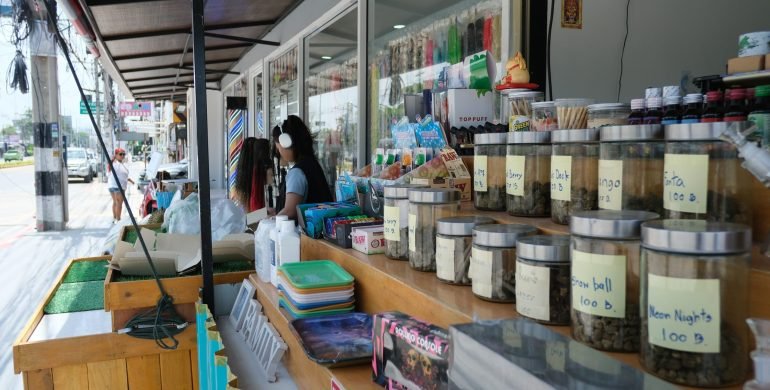
For a woman who sews at home, sells from a table outside the compound, runs a shop attached to the house or cooks to order, none of that exists. The workplace and the house are the same building, and everybody who would have noticed is family.
This is what to do about it.
What working from home removes
- The unobserved hour. No commute, no lunch break, no reason to be somewhere else.
- Independent witnesses. No colleague to see a mark, and no reception desk that can refuse to confirm anything.
- A separate address. Customers know where you live, and so does anybody who asks a customer.
- Separation of money. Takings sit in the house, in reach.
- An employer. Nobody to act as guarantor, give a reference, or notice an absence.
- A reason to be dressed and out. Which matters more than it sounds, both practically and for how you are seen.
The cumulative effect is that a woman trading from home can be extremely isolated while appearing to everybody, including herself, to be busy and independent.
Building back the unobserved hour
You need one recurring reason to be out of the house alone, and it needs to be routine enough that it is never questioned.
Buying stock is the obvious one and it is genuinely useful, because it is unremarkable, it varies in length, and it takes you to a market where there are other traders. Going to a business centre, a bank, a supplier, or delivering to a customer all work the same way.
Make it regular before you need it. An errand that has happened every Tuesday for a year attracts no attention; one invented on the day it matters does.
Money, which is the specific weakness
Takings in a tin in a house you share is the arrangement most likely to fail, and it fails quietly.
- Bank it often, in small amounts, rather than holding cash. Frequent small deposits attract far less notice than an occasional large one.
- Use an account he has never had access to, at a bank the family does not use, with alerts to a number only you carry. How to set one up covers the address problem.
- Keep the trading money physically separate from household money, or the business is absorbed within weeks and nobody notices until it is gone.
- Be careful about mobile money agents who know the family, since a transaction history is a conversation waiting to happen.
- Keep your record book out of the house if it shows what you actually earn. Where money is the mechanism of control, a good month is a liability rather than an achievement.
Customers as a safety asset
This is the part women in this position underuse, and it is the closest available thing to colleagues.
Regular customers see you constantly, they are outside the family, and their presence is entirely ordinary. A customer who has been told one thing — if you hear shouting from inside, knock and ask for me — is doing exactly what a neighbour would do, and nobody can object to a customer arriving.
A trader nearby is worth even more. Somebody who notices if your table is not out, who can hold a bag or an envelope, and who can lend a phone. Traders look out for each other as a matter of course, and it requires no explanation at all.
The premises themselves
If customers come to you, think about the layout as more than commerce.
Trade in a part of the compound that is visible from outside rather than in a back room. Keep the route between where you work and the gate clear. Where you can, avoid a set-up in which you are alone in an enclosed space with somebody you do not know — that is a separate risk from the one this site is mainly about, and it is real.
Consider what your workspace tells anybody who walks in. A phone left charging, a notebook of takings, documents in a drawer.
Keeping the address off things
If you are keeping a location private, or may need to later, this needs deciding early.
Use a pickup point or a landmark rather than the house for deliveries. Put a phone number on anything public, not an address. If you sell online, a business account gives away more than people expect — backgrounds in photographs, delivery details, and the fact that it has to stay findable to work.
Where a business is registered, think about what address appears on the register and whether that matters to you.
If you need to leave
Trading from home makes leaving harder in one specific way: the business is in the building, and walking out means losing your income at the same moment as your home.
Two things help. Stock and tools are portable, and a sewing machine, a set of hairdressing equipment or a stock of goods can be moved gradually to somebody else’s house long before anything else happens. And a customer list — names and numbers, kept outside the house — is the thing that lets a trade restart somewhere new. Most women lose that and it is the hardest part to rebuild.
The bag should include your trading documents and that list alongside the usual things.
What we can do
Replacing tools and stock, which is often a small amount of money that restores an entire livelihood. Somewhere to store equipment. Help getting into a market association, which brings both trade and people who notice. And an account of your own.
Restarting a trade after leaving covers the rebuilding side, and much of it applies to protecting one you already have.
Questions people ask
I never leave the house. How do I get a private moment?
Build one routine reason to be out alone — buying stock, a supplier, a business centre, a delivery — and establish it long before you need it. An errand that has happened weekly for a year is never questioned.
Where should I keep my takings?
Not in the house. Bank small amounts frequently rather than holding cash, into an account he has never had access to, with alerts going to a number only you carry.
Can customers really help?
They are the closest thing you have to colleagues: outside the family, present constantly, and entirely unremarkable. A regular customer told to knock and ask for you if they hear shouting is doing what a neighbour would.
If I leave, do I lose the business?
Not necessarily. Tools and stock are portable and can be moved gradually beforehand, and a customer list kept outside the house is what lets a trade restart. Most women lose the list and it is the hardest part to rebuild.
Should my address be on my business page?
Use a phone number and a pickup point rather than the house, particularly if you may need to keep a location private later.
If you need help now
If you are in immediate danger, call 112. To talk to HealBridge, email us at hello@healbridge.org, or use the form on our contact page. Every page on this site has a Quick Exit button at the top right, and pressing the letter E three times does the same thing.
Before you rely on anything on this page
We publish these articles so that you can understand a subject and work out what to ask for. They are written carefully and in good faith. They are still general information about how things usually work, and not advice about your situation, which we do not know.
- This is not legal advice.
- We are not a law firm. Criminal law in Nigeria is largely a state matter, the VAPP Act applies in a state only if that state adopted it, and statutory, customary and Islamic marriages are governed by different law and different courts. Two people with the same facts can have genuinely different options. Get advice from a lawyer who practises where you live — and if cost is the obstacle, ask us, because arranging that is part of what we do.
- This is not medical advice.
- Nothing here is a diagnosis and nothing here replaces being examined. Do not delay seeing a doctor, nurse or pharmacist because of something you read here, and do not start, stop or change any treatment on the strength of it. If something is time critical, go and be seen.
- This is not counselling, and it is not financial advice.
- Articles about trauma, sleep, money, debt, renting or starting a business describe what commonly helps. They are not therapy and they are not a recommendation about your own money. Speak to a counsellor, a qualified adviser or your own bank about your circumstances.
- It may be out of date, or wrong for where you are.
- Law changes, services close, numbers stop answering and practice varies by state. We correct what we find, and we cannot promise that every page is current on the day you read it. Where we do not have something confirmed, we say so rather than fill the gap.
- Reading this does not make us your lawyer or your doctor.
- No professional relationship is created by reading an article, and we cannot accept liability for decisions taken on the strength of one. What we can do is help you reach somebody who is qualified to advise you, which is what the legal and health parts of our work exist for.
- We cannot promise an outcome, and we cannot make anybody safe.
- A protection order is a piece of paper backed by an enforcement system that is inconsistent. A plan works until the day it does not. Anybody in this field promising safety is selling something, and the promise itself is dangerous because it stops people planning.
Do not let this notice stop you acting. If you are in immediate danger, call 112. If something is medically urgent, go to a hospital — you do not need a police report to be treated. And if you do not know where to start, that is a normal way to begin: use the contact page and we will take it from there.
Also worth reading: