
Women arrive at shelters with an idea formed from films and leave within days because it was nothing like it. Others avoid them entirely because they imagine something much worse than the reality.
This is a plain description of what they are generally like in Nigeria, including the parts that are hard. It is better to know in advance than to find out at eleven at night with children and a bag.
What it is
An ordinary house or compound, in an ordinary street, that does not advertise what it is. No sign, nothing on the gate, and neighbours who mostly do not know.
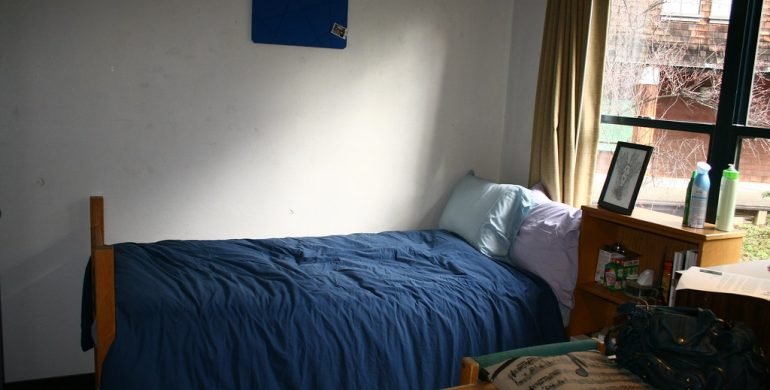
Inside there are bedrooms, a shared kitchen, shared bathrooms, a sitting area and an office. Somewhere between a handful and twenty women, most with children. Staff who are there during the day, and usually somebody overnight.
It is a place to be safe and to make arrangements from. It is not a hotel, not a hospital and not a permanent home, and the good ones are clear about that from the first conversation.
The rules, and why they exist
Every shelter has them and they surprise people. Most exist for a specific reason.
- Do not tell anyone the address. The strictest rule anywhere, and the one that gets people asked to leave. It protects every woman in the building, not only you.
- Phone and location restrictions. Some ask you not to post photographs, share your location, or take pictures that show the building. Some ask for phones to be checked for tracking on arrival. This feels intrusive and it is the single most common way a location is lost.
- A curfew, usually in the evening.
- No visitors, or visitors only at an agreed place elsewhere.
- Shared work. Cooking, cleaning and childcare on a rota.
- No alcohol or drugs.
- Your children are yours. Staff will help, and discipline and supervision remain your responsibility.
- Regular meetings with a caseworker about what happens next.
The rules that feel hardest are usually about the phone, because it is the connection to everybody you know at the moment you most need it. Ask what is actually required rather than assuming the worst — the requirement is usually about location and photographs, not about who you may speak to.
The parts that are hard
We would rather say these than have you discover them.
Sharing. Possibly a room, certainly a kitchen and bathroom, with women who are also having the worst year of their lives. There are frictions. Children of different ages and different rules collide.
Noise and no privacy. Very little space that is yours, and children who are distressed and show it at night.
Boredom. This surprises everyone. After the first few days there is a great deal of waiting — for a court date, for a school place, for a call back. Take something to do.
Distance. It may be far from your work, the children’s school and everybody you know. That is deliberate and it is still a real cost.
Not being able to explain. To your employer, your family, your friends. Vagueness is exhausting to maintain.
It ends. Which is the hardest part, and the reason so much of our work is about what comes after.
How long
It varies by shelter and by circumstances, and typically it is measured in weeks rather than months. Some places are a few nights, some are longer.
Ask on the first day: how long can I stay, what decides an extension, and what help do you give with what comes next. A place that cannot answer those clearly is worth being cautious about.
The reason the second month matters more than the first is the whole argument for weighting the work towards income and housing. A bed solves a night. It does not solve the month after, and the month after is where leaving is usually decided.
Children
Most shelters take children, and there is often an age limit for boys, which is a difficult rule that exists because of the other women and children in the house. Ask about it before you arrive if you have older sons, because being turned away at the door with them is a serious event.
School is the thing to raise on day one. Continuity matters more than almost anything else for a child in the middle of this, and there are usually options: staying at the same school with transport, a temporary place nearby, or a formal transfer. The wider plan for children covers the rest.
What to take
Documents first, always. Identity, birth certificates, immunisation cards, school records, anything medical. Then medication with the prescriptions, a change of clothes, chargers, and whatever your children cannot sleep without.
The full list is set out separately. If you have nothing, come anyway — nobody is turned away for arriving empty-handed, and documents can be worked on afterwards.
Whether it is the right choice
For some women it is exactly right: immediate, safe, staffed, and free.
For others it is not, and there is no shame in that. A relative’s house, a rented room, a hotel for two nights while something is arranged, or getting him removed from the home instead can all be better answers depending on the situation. What each option is good for compares them honestly.
What matters is that the choice is made with accurate information rather than with a picture from a film. Ask us and we will tell you what is actually available near you, what its rules are, and how long you could stay — including when the answer is that there is nothing suitable, which happens and which we will say plainly rather than send you on a wasted journey.
Questions people ask
Will I have my own room?
Sometimes, often not. Expect to share a kitchen and bathroom at minimum, and possibly a room, with other women and their children.
Will they take my phone?
Usually not. Most shelters restrict location sharing and photographs and may ask to check a phone for tracking on arrival, because that is the commonest way an address is lost. Ask what is actually required rather than assuming the worst.
How long can I stay?
Usually weeks rather than months, and it varies. Ask on the first day how long, what decides an extension, and what help there is with what comes next.
Can I bring my children?
Almost always, and there is often an age limit for boys. Ask before you travel if you have older sons, because being turned away at the door with them is a serious event.
What if a shelter is not right for me?
Then it is not right, and there are other routes: a relative, a rented room, a few nights somewhere while something is arranged, or a protection order that removes him from the home instead.
If you need help now
If you are in immediate danger, call 112. To talk to HealBridge, email us at hello@healbridge.org, or use the form on our contact page. Every page on this site has a Quick Exit button at the top right, and pressing the letter E three times does the same thing.
Before you rely on anything on this page
We publish these articles so that you can understand a subject and work out what to ask for. They are written carefully and in good faith. They are still general information about how things usually work, and not advice about your situation, which we do not know.
- This is not legal advice.
- We are not a law firm. Criminal law in Nigeria is largely a state matter, the VAPP Act applies in a state only if that state adopted it, and statutory, customary and Islamic marriages are governed by different law and different courts. Two people with the same facts can have genuinely different options. Get advice from a lawyer who practises where you live — and if cost is the obstacle, ask us, because arranging that is part of what we do.
- This is not medical advice.
- Nothing here is a diagnosis and nothing here replaces being examined. Do not delay seeing a doctor, nurse or pharmacist because of something you read here, and do not start, stop or change any treatment on the strength of it. If something is time critical, go and be seen.
- This is not counselling, and it is not financial advice.
- Articles about trauma, sleep, money, debt, renting or starting a business describe what commonly helps. They are not therapy and they are not a recommendation about your own money. Speak to a counsellor, a qualified adviser or your own bank about your circumstances.
- It may be out of date, or wrong for where you are.
- Law changes, services close, numbers stop answering and practice varies by state. We correct what we find, and we cannot promise that every page is current on the day you read it. Where we do not have something confirmed, we say so rather than fill the gap.
- Reading this does not make us your lawyer or your doctor.
- No professional relationship is created by reading an article, and we cannot accept liability for decisions taken on the strength of one. What we can do is help you reach somebody who is qualified to advise you, which is what the legal and health parts of our work exist for.
- We cannot promise an outcome, and we cannot make anybody safe.
- A protection order is a piece of paper backed by an enforcement system that is inconsistent. A plan works until the day it does not. Anybody in this field promising safety is selling something, and the promise itself is dangerous because it stops people planning.
Do not let this notice stop you acting. If you are in immediate danger, call 112. If something is medically urgent, go to a hospital — you do not need a police report to be treated. And if you do not know where to start, that is a normal way to begin: use the contact page and we will take it from there.
Also worth reading: